

Upgrading Your Electrical Panel: When and Why It’s Necessary
For many homeowners, the electrical panel—often called the fuse box or consumer unit—is out of sight and out of mind. Yet this vital component of your home’s electrical system plays a key role in both safety and functionality. As modern households use more electricity than ever before, an outdated or overloaded panel can quickly become a hazard.
In this blog, we’ll explain what an electrical panel does, the warning signs that yours may need replacing, and the benefits of upgrading to a modern system.
What is an Electrical Panel?
An electrical panel distributes electricity from the main supply to various circuits throughout your home. It controls and protects each circuit by using fuses or circuit breakers to prevent overloads and faults. In most UK homes, this will be a consumer unit fitted with circuit breakers and a residual current device (RCD) for safety.
Older panels may still use traditional fuses, which are far less efficient and more difficult to replace. If your panel is several decades old, it may not meet current electrical safety regulations or support modern appliances.
Why Electrical Panel Upgrades Are Becoming More Common
Over the last 20 years, our reliance on electricity has grown dramatically. Homes today commonly use electric ovens, smart TVs, computers, electric showers, underfloor heating, and increasingly, electric vehicle (EV) chargers. Older panels simply weren’t built to support this level of demand.
In addition, safety standards have evolved. For instance, newer consumer units are made from non-combustible materials and include devices such as RCBOs (Residual Current Breaker with Overcurrent) that provide individual protection for each circuit.
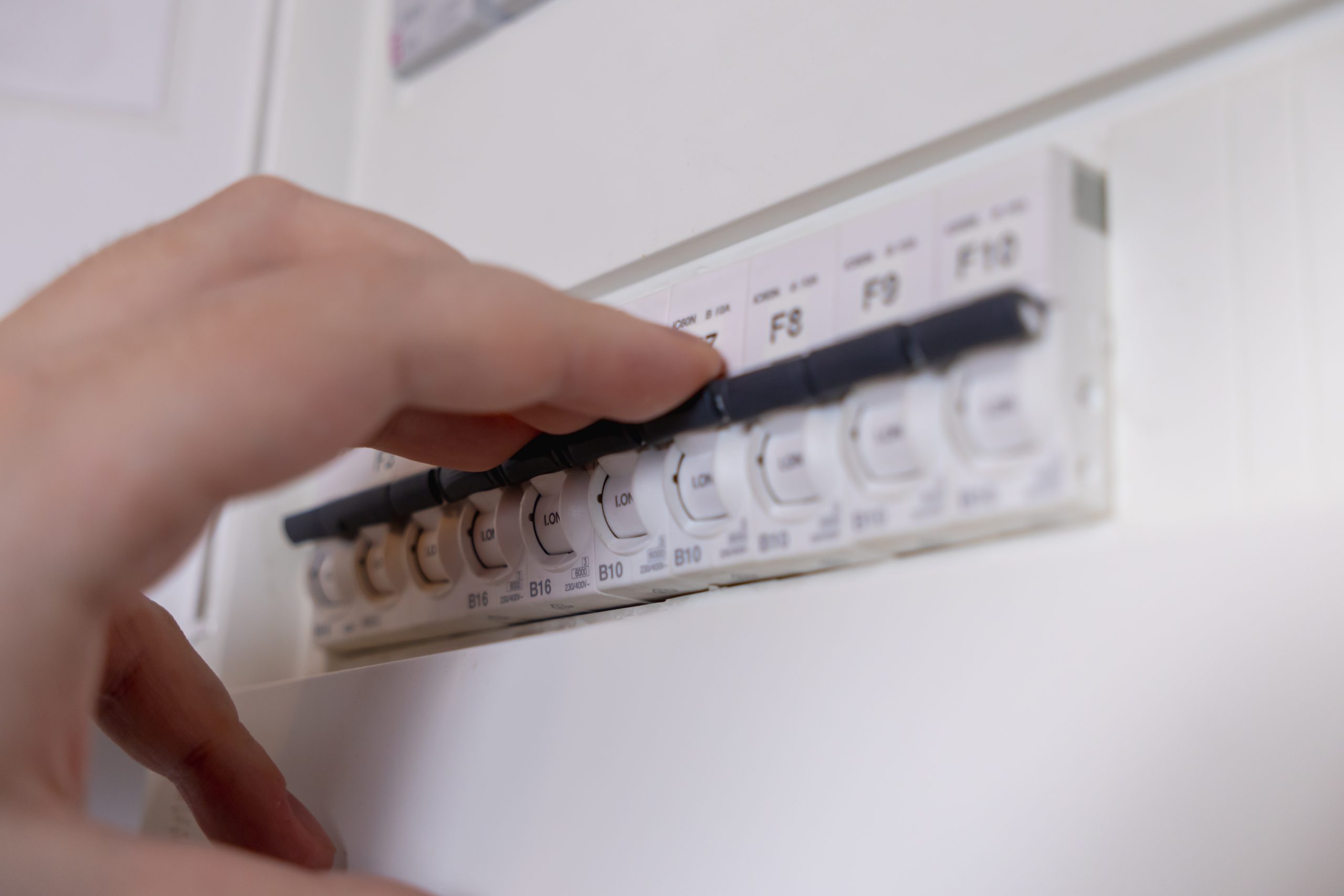
Signs You Need to Upgrade Your Electrical Panel
You don’t need to wait until something goes wrong to consider an upgrade. Here are some common signs that your panel may need replacing:
1. Frequent Tripping of Circuit Breakers
If your breakers trip regularly when you use multiple appliances or high-wattage devices, it may indicate that your panel can’t cope with the electrical load.
2. Burning Smell or Scorch Marks
These are warning signs of overheating, which can lead to electrical fires. An electrician should investigate these issues immediately.
3. Fuse-Based System
If your system still uses fuses instead of circuit breakers, it’s outdated. Modern consumer units are safer, easier to reset, and compliant with current regulations.
4. Flickering or Dimming Lights
When lights flicker while appliances are running, it could signal insufficient power supply or damaged wiring in your consumer unit.
5. Recent Home Renovations or Extensions
If you’ve recently added a loft conversion, kitchen extension, or garden office, your existing panel may not be able to handle the extra demand.
6. You’re Installing an EV Charger
EV chargers require a dedicated circuit and proper load balancing. Your existing panel may not be up to the task, especially if it’s over 15 years old.
Benefits of Upgrading Your Electrical Panel
Improved Safety
Modern panels come with better protection devices that reduce the risk of fire and electrocution. Upgrading is a proactive step to protect your home and family.
Compliance with Current Regulations
In the UK, the 18th Edition Wiring Regulations (BS 7671) set strict standards for electrical installations. An upgrade ensures compliance, which is especially important if you’re planning to sell your property.
Increased Electrical Capacity
Upgraded panels can support additional circuits for things like electric showers, solar battery storage, and outbuildings.
Peace of Mind
Knowing that your electrical system is safe, compliant, and future-proof gives you confidence and convenience.
Increased Property Value
Potential buyers often ask about the condition of the electrical system. A modern consumer unit is a strong selling point.
What’s Involved in an Electrical Panel Upgrade?
A qualified electrician will assess your current installation and recommend the appropriate type of consumer unit based on your needs. The upgrade process typically involves:
- Disconnecting the main power supply.
- Removing the old fuse box or panel.
- Installing a new metal-clad consumer unit with RCBOs or a dual-RCD setup.
- Testing and inspecting all circuits to ensure safe operation.
- Issuing an Electrical Installation Certificate (EIC) and updating your home’s electrical report (EICR if required).
The job normally takes 1–2 days and may require temporary power outages.
How Much Does an Upgrade Cost?
Prices vary depending on the size of your property and number of circuits, but most UK homeowners can expect to pay between £500 and £1,000 for a standard consumer unit upgrade. The cost may increase if remedial work is required or if you’re installing additional circuits for new appliances or solar energy systems.
Is It Worth It?
Absolutely. An electrical panel upgrade is an investment in safety, functionality, and the long-term value of your home. It’s especially worth considering if:
- Your panel is over 15 years old.
- You’ve increased your energy usage recently.
- You’re planning to install an EV charger or renewable energy system.
Your home insurance policy requires compliance with the latest electrical regulations.
Conclusion: Stay Ahead, Stay Safe
At DANLEC Electrical, we provide expert panel upgrade services designed to bring your home up to modern electrical standards. Our fully qualified electricians can advise you on the best setup for your needs and ensure a safe, tidy, and compliant installation.
If you’re unsure about the condition of your electrical panel—or you’re experiencing signs of wear and overload—get in touch with our team for a free consultation. We’ll help you future-proof your home with confidence.